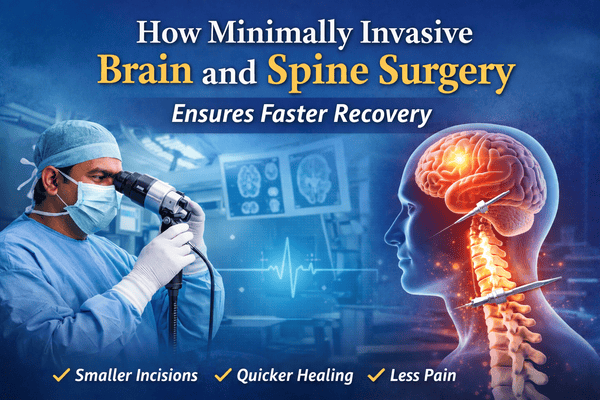
Neurosurgical conditions affect 22 million people annually. But when people hear the word brain surgery or spine surgery, they often imagine something very dangerous and painful. We understand that fear. As a practicing neurosurgeon in Narnaul, Dr Kavindra Singh, meets many patients who delay treatment. Either they are scared of big cuts, long hospital stays or of months of bed rest. But medical science has advanced greatly. Today, minimally invasive techniques allow us to treat many brain and spine conditions with smaller incisions, less pain and faster recovery.
Today, as his team, we will help you understand what minimally invasive neurosurgery really means. You will also learn who needs it, how safe it is and why early consultation matters.
What Is Minimally Invasive Neurosurgery?
Minimally invasive neurosurgery is a modern surgical approach where operations on the brain or spine are performed through very small openings using specialized instruments, microscopes, endoscopes and image-guided systems. Instead of large incisions and heavy muscle cutting, we use precise pathways to reach the problem area.
In traditional open spine surgery, hospital stay may range from five to seven days. In many cases of minimally invasive spine surgery, hospital stay reduces to two to three days. Blood loss can also reduce significantly, often by 30 to 50 percent in selected procedures. Smaller incisions mean lower infection risk and faster wound healing.
For brain conditions, minimally invasive brain surgery allows removal of certain tumors or lesions through smaller openings, reducing trauma to surrounding healthy tissue.
As the best neurosurgeon in Narnaul, Haryana Dr. Kavindra Singh’s goal is not just removing disease but preserving function, memory, strength and dignity.
Why Minimally Invasive Neurosurgery means “Faster Recovery, Better Results”
Patients usually search for fast recovery neurosurgery options because they want to return to normal life quickly. With minimally invasive methods:
- Postoperative pain is often lower
- Need for strong pain medicines reduces
- Walking begins earlier
- Return to work may happen weeks earlier
- Scarring is smaller
Studies in spinal surgery show that early mobilization reduces complications like deep vein thrombosis and lung infections. In elderly patients, early walking also lowers risk of bed sores and hospital-acquired infections. The endoscopic neurosurgery benefits include high-definition visualization, minimal muscle damage and targeted treatment.
Conditions That Can Be Treated by Minimally Invasive Neurosurgery
Not every patient needs open surgery. Many cases of:
- Slipped disc
- Sciatica
- Spinal canal stenosis
- Vertebral fractures
- Brain tumors
- Pituitary tumors
- Certain vascular malformations
….can be treated with minimally invasive spine surgery or minimally invasive brain surgery, depending on size, location and patient health.
If you have been searching for a brain & spine specialist near me, it usually means symptoms are persistent. Warning signs include weakness in arms or legs, numbness, severe headache, seizures, imbalance or loss of bladder control. These should never be ignored.
How Technology Helps
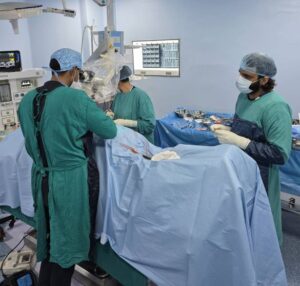
Modern operating rooms use neuro-navigation systems that act like GPS for the brain. With MRI and CT guidance, we plan the safest path before surgery. This improves accuracy and reduces complications.
In spine surgery, tubular retractors protect muscles instead of cutting them. Microscopes magnify delicate nerves. These advancements are part of advanced neurosurgery Haryana, bringing global standards closer to home. However, technology alone does not guarantee success. Experience, judgment and careful patient selection matter more than machines.
Safety and Success Rates of Minimally Invasive Neurosurgery
Globally, minimally invasive spine surgery has shown lower infection rates compared to traditional open methods in selected cases. Infection risk may drop below 2 percent in controlled environments. Blood transfusion requirements are significantly lower.
For brain tumors, outcomes depend on tumor type and stage. Early diagnosis improves survival and neurological recovery. The advantage of minimally invasive brain surgery is reduced trauma and faster rehabilitation.
But we always explain honestly: no surgery is zero risk. Complications can include bleeding, infection, nerve injury or anesthesia reactions. Proper evaluation reduces these risks.
Is Minimally Invasive Surgery Suitable for Elderly Patients?
Many families worry about surgery in older age. In fact, minimally invasive approaches are often better for elderly individuals because:
- Shorter anesthesia duration
- Reduced blood loss
- Faster mobilization
- Lower hospital stay
For spine problems, minimally invasive spine surgery can help elderly patients walk earlier, preventing muscle wasting and lung complications. If you are searching for the best neurosurgeon in near me in Haryana, for an elderly parent, early consultation from Dr. Kavindra Singh can prevent worsening disability.
Affordable Cost of Minimally Invasive Neurosurgery
One common concern is the cost of minimally invasive surgery in Narnaul, Haryana. While advanced equipment may increase procedural cost slightly, shorter hospital stays often balance overall expenses. Early return to work also reduces indirect financial burden.
Across Haryana, awareness of advanced neurosurgery Haryana is increasing. Patients no longer need to travel to distant metros for every case. Local expertise and facilities are improving steadily after Dr Kavindra Singh came here from AIIM Rishikesh.
Importance of Early Diagnosis
Delay makes surgery more complex. A small disc problem treated early may need only minor decompression. Delayed cases may require extensive procedures. Similarly, early detection of brain tumors improves outcomes dramatically. That is why if you are searching repeatedly for a brain & spine specialist near me, do not ignore your body’s signals. Headaches that worsen, seizures, weakness or severe back pain require proper MRI evaluation. Painkillers only mask symptoms.
Realistic Recovery Expectations from Minimally Invasive Neurosurgeon
Patients often expect instant relief. While fast recovery neurosurgery options improve healing speed, complete recovery depends on:
- Diabetes control
- Blood pressure stability
- Smoking cessation
- Physiotherapy
- Nutrition
The endoscopic neurosurgery benefits are maximized when patients follow postoperative instructions strictly.
Why Experience Matters Most
Choosing the right surgeon is critical. As a committed neurosurgeon in Narnaul, Dr. Singh believes surgery should only be recommended when truly necessary. Many patients improve with medication and therapy alone. In both minimally invasive brain surgery and minimally invasive spine surgery, careful planning determines success. Precision, steady hands and deep anatomical understanding are essential. Patients across the region increasingly recognize the value of advanced neurosurgery Haryana services when delivered ethically and responsibly.
Closing Statement from Dr. Kavindra Singh
As a dedicated neurosurgeon in Narnaul, Dr. Singh’s promise is honest advice, ethical care, modern techniques and compassion.
Dr Kavindra Singh says, “Fear is natural. But fear should not stop treatment. Minimally invasive neurosurgery represents progress in medicine. It respects your body, reduces trauma and supports faster healing.Your brain and spine control your entire body. Do not delay their care. With responsible use of minimally invasive brain surgery, minimally invasive spine surgery and the growing strength of advanced neurosurgery Haryana, safer outcomes are achievable. If you or your loved one are exploring fast recovery neurosurgery options, consult early. Ask questions from me, call me.”