
Around 50 million people worldwide live with epilepsy, making it among the most common neurological disorders globally.
Living with epilepsy is not only about controlling seizures because it affects confidence, jobs as well as driving. Sometimes, it affects entire families. Many people silently change their daily routines because they fear when the next seizure may happen.
The good news?
Many seizure triggers can be identified and reduced. For patients looking for best epilepsy treatment in Narnaul and places around it, small adjustments often create meaningful changes.
Why Seizure Triggers Matter More, Than Most Patients Realize
Many patients believe medicines alone solve everything. They do not. Triggers often decide how stable epilepsy remains. Common triggers include:
- Poor sleep
• Stress
• Missed medicines
• Alcohol
• Physical exhaustion
• Illness
• Irregular routine
Good seizure trigger management becomes extremely important because even well-controlled epilepsy may worsen when triggers remain ignored.
Dr Kavindra Singh, the best neuro-doctor of Haryana at Narnaul says: “A patient from Ateli had repeated episodes despite treatment. Night shift work and irregular sleep were creating hidden problems. People living with epilepsy may have up to 3 times higher risk of premature death compared to the general population if seizures remain uncontrolled.”
Sleep Is Not Optional For Epilepsy Patients
Poor sleep changes electrical activity inside the brain. Even one bad night may increase risk in certain patients. We are now sharing some practical adjustments that can be easily done at home:
- Sleep at fixed timings
• Reduce late-night mobile use
• Avoid frequent sleep schedule changes
• Maintain 7–9 hours sleep daily
These simple epilepsy lifestyle changes may improve overall seizure control. Patients seeking epilepsy treatment in Narnaul and nearby areas are often surprised how frequently sleep becomes part of treatment planning.
Stress Can Become A Powerful Trigger
Some practical habits become useful epilepsy care tips for long-term control. Family pressure, exams, financial stress and job problems. These situations may worsen stress and seizure triggers. Thus, helpful techniques can be:
- Daily walking
• Meditation
• Structured schedules
• Reduced overworking
• Better family communication
Dr Kavindra Singh the top brain doctor of Haryana says, “A college student travelling daily from Neemrana noticed episodes increasing around exams. Stress reduction strategies improved seizure frequency significantly.”
Read more about EPILEPSY ON THIS LINK.
Medicines Only Work When Taken Properly
Missing medicines remains among the most common reasons for breakthrough seizures.
Common mistakes that people make are skipping doses, changing medicine-intake timings, self-stopping treatment and also taking medicines irregularly.
Helpful solutions are:
- Mobile reminders
• Pill organizers
• Family support
• Carrying medicines while travelling - Regular meals
• Proper hydration
• Avoid excessive caffeine
• Maintain routine timings
Good epilepsy patient care starts with consistency. Many people searching for the top epilepsy specialist in Haryana – after meeting Dr Singh realise that medicine timing mistakes were contributing significantly to further seizures.
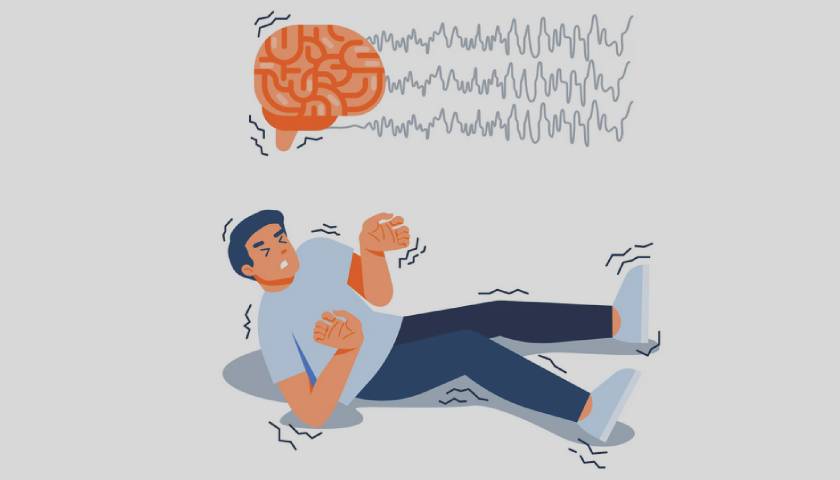
Make Your Home Safer
Not every seizure can be predicted. Safety planning reduces injuries. Important seizure safety tips:
- Avoid locking bathrooms
• Prefer shower instead of deep baths
• Avoid cooking alone
• Inform close family members
• Learn seizure first aid
Good safety planning improves epilepsy symptoms management and reduces panic during emergencies.
Dr Kavindra Singh recalls: “A family from Kanina avoided serious injury because relatives understood basic seizure first aid before reaching hospital.”
Exercise Is Usually Helpful
Many patients wrongly stop exercising completely. Physical activity surely improves sleep quality, mental health, stress control as well as weight management.
Usually helpful activities are walking, doing Yoga or engaging in light gym work. You can also do light cycling around your house or safe areas with precautions and a caretaker around you; avoid roads. Discuss restrictions during epilepsy doctor consultation because recommendations differ between patients.
Work, Travel, Driving and Daily Life
Epilepsy should not automatically stop normal life. However, some adjustments help.
Examples:
- Inform trusted coworkers
• Avoid risky machinery if seizures remain uncontrolled
• Follow driving restrictions
• Plan travel properly
Many people receiving epilepsy treatment in Narnaul and around Haryana continue jobs, education and family responsibilities successfully. Proper long-term epilepsy support often involves family participation too.
When Should You Consult A Specialist?
You should consider evaluation if:
- Seizures continue despite medicines
• Episodes increase suddenly
• Side effects become severe
• Diagnosis remains unclear
• Daily life becomes affected
Top nerve doctor of Haryana, Dr Kavindra Singh asserts, “Many people searching for the best epilepsy doctor in Haryana wait years before seeing specialists. Delayed treatment often increases emotional and financial burden. If seizures remain difficult to control, consulting a neurosurgeon for epilepsy may become important for advanced evaluation.
Why Specialized Care Changes Outcomes
Epilepsy treatment is rarely only about tablets.
It requires correct diagnosis, trigger identification, family education, lifestyle correction as well as regular monitoring by the best neurosurgeon near you.
Patients travelling from Dharuhera, Neemrana, Mahendragarh, Kanina, Ateli and nearby areas often look for a trusted neurosurgeon in Narnaul, Haryana because specialized care may simplify difficult cases. And under Dr Kavindra Singh, who is trained at the best medical institutes of India, including AIIMS Delhi and PGI Chandigarh, patients find a safe haven.
Choosing the right brain and nerve specialist helps create individualized treatment plans. CONTACT DR KAVINDRA SINGH VIA THIS LINK, if you or your dear ones need help.
Patients come to Dr Singh from Haryana, Rajasthan, Punjab and beyond. Sitting at Narnaul at Rainbow Multi-speciality Hospital, Dr. Kavindra Singh has been serving patients across Haryana in all its rural areas as well as cities like Mahendargarh, Rewari, Rohtak and more. And now even accessible in nearby places in both Haryana and Rajasthan like Dharuhera, Bawal, Ateli, Kanina, Kosli, Charkhi Dadri, Bhiwani, Loharu, Jhajjar, Alwar, Behror, Kotputli, Neemrana, Pilani, Chirawa, Singhana and Khetri. The idea is that affordable brain, nerve and spine care reaches all, without going to farther cities like Jaipur, Chandigarh or Gurgaon.
Frequently Asked Questions
Can epilepsy patients drive vehicles normally?
Driving depends on seizure control duration and medical advice. Driving too early increases accident risk.
Can mobile phones or TV screens trigger epilepsy?
Most patients are unaffected. Only selected people have light-sensitive epilepsy.
Can marriage or pregnancy become difficult with epilepsy?
Most patients marry and have healthy pregnancies with proper medical planning.
Does epilepsy always require lifelong medicines?
Not always. Some patients may eventually reduce treatment under medical supervision.
Which doctor should patients consult for repeated seizures?
Patients with difficult seizures should consider an experienced trusted neurosurgeon in Haryana or specialized epilepsy evaluation services.
Are children likely to inherit epilepsy from parents?
Most epilepsy cases are not directly inherited. Risk depends on underlying causes.
When should patients visit an epilepsy clinic in Haryana urgently?
Urgent evaluation becomes important if seizures suddenly increase, injuries occur, medicines stop working or recovery becomes slower.